In neighbourhoods all over the world, Nairobi's included, you will find young people with ideas: musicians, painters, makers, organisers. What many of them lack is not talent but access. Access to tools, to teachers, to networks, and to a seat where decisions are made.
That gap is what good youth programmes try to close. Done well, they do not 'fix' young people. They open doors, and then they step aside.
What empowerment actually means
The word gets used a lot, so it helps to be specific. Empowering young people means helping them gain access to resources, opportunities and decision-making, and the chance to take a full part in society. In practice, that touches four areas:
- Economic: understanding leadership, money and investment, and having a say over how money is used.
- Health: access to accurate health information and services.
- Rights: laws and institutions that protect people and guard against discrimination.
- Agency: the ability to make real choices about your own life.
Why creativity is a good starting point
Art and music are easy to join. You can begin with a pencil or a beat, in any language, at any level. They give young people a way to express themselves, to be seen, and to be proud of something they made. They also bring people together across age and background.
Creative work can be a gentle first step into other kinds of learning. A young person who comes along for a painting lesson might stay for a conversation, find a mentor, or start a plan.
Skills that travel
Creative skills sit comfortably alongside practical ones. Supporting teachers in school, growing vegetables in small urban spaces and turning waste into useful products are all skills that can be used at home, at school or in a small business.
No programme can promise jobs. What a good one can do is widen what a young person knows how to do, and who they know.
Community action: from the river to the classroom
Young people are often the first to notice what is wrong in their surroundings, and they can be the strongest force for improving it. Planting trees along a river, sorting and reusing waste, or helping a younger child with their reading are all ways to see your own effort change something you can point to.
That sense of ownership matters. When young people help lead a project, it tends to fit the neighbourhood better and to last longer.
Designing for safety and inclusion
Any work with young people needs strong safeguards. Good practice includes:
- Asking for consent before using a photo, name or story, and for a parent or guardian's consent when someone is under 18.
- Having trusted, trained mentors lead sensitive subjects such as health education, and keeping young people safe from unsupervised time with people they do not know.
- Welcoming girls and boys, and people with disabilities, and thinking about what might stop someone taking part: cost, distance, time or safety.
- Listening to young people about what they want, and changing the plan when they say something is not working.
- Protecting privacy by not sharing details that could put anyone at risk.
Why mentoring matters
Skills are only part of the picture. A trusted adult who listens, who knows the neighbourhood and who treats a young person as capable can make a lasting difference. That is why many good programmes put mentoring at the centre, with mentors who live in or know the community, and with volunteers working alongside them rather than in their place.
Mentoring is especially important for girls, who may face extra barriers to education, health information and a say in decisions. Programmes that offer girls a safe space, accurate information and the chance to make informed choices about their own lives can help them see more options ahead.
How to tell whether a youth programme is working
Counting how many young people turn up is a start, but it is not enough. Better questions include:
- Are young people still taking part after the first few weeks, and do they say it is worth their time?
- Do they have a real say in what the programme does next?
- Can they point to something new they can do, make or understand?
- Is the organisation honest about what has not worked?
Our Measurement Commitment
We would rather admit what we cannot yet show than promise results we have not measured. That is why this website does not publish figures about our youth work until we can stand behind them.
Where volunteers fit
Volunteers can bring energy, a fresh perspective and specific skills such as teaching, art or music. The strongest youth work uses them as supporters of local leaders and mentors, not as replacements, and makes sure the learning goes both ways.
What ABWA's plans for Mathare include
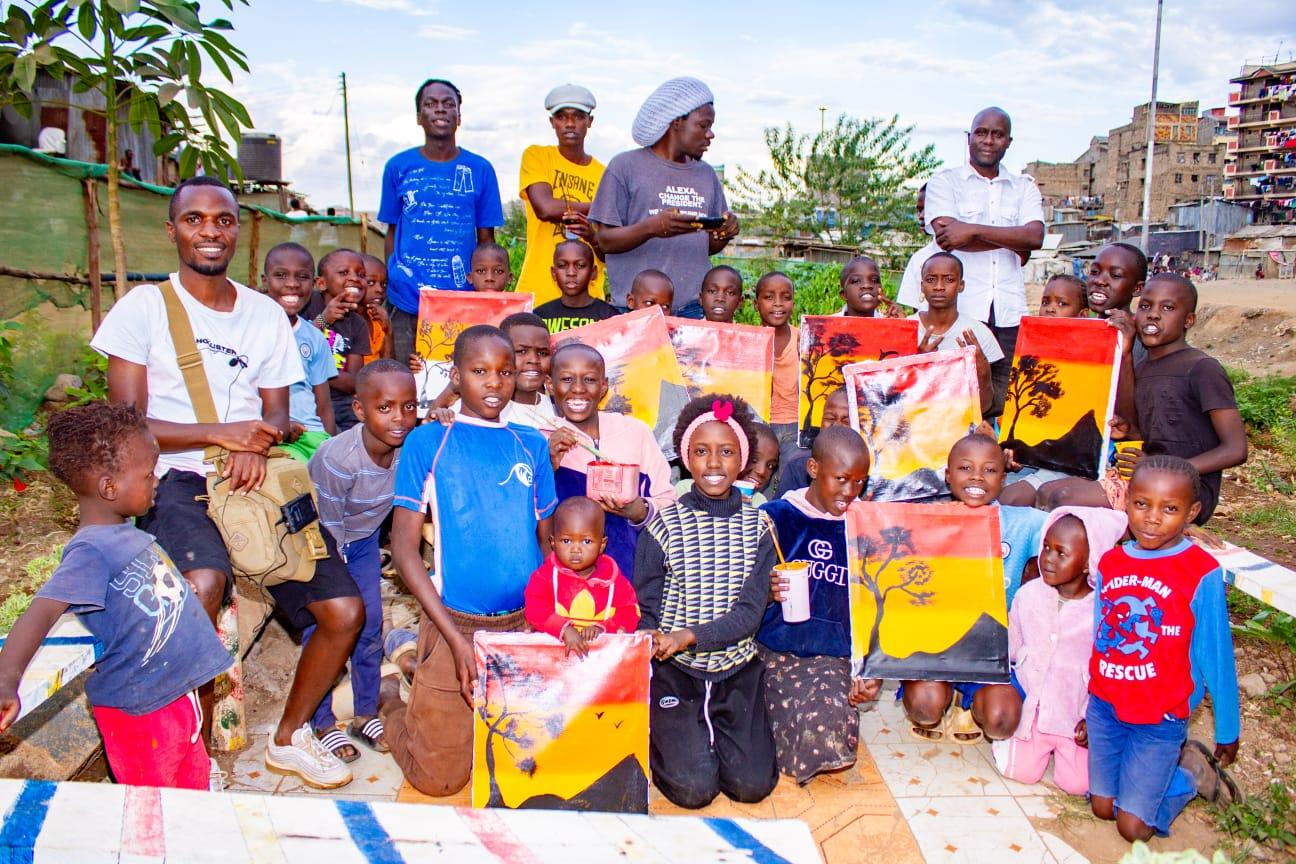
ABWA's information sheets for a youth programme with a local group in Mathare, Nairobi, describe art lessons led by art teachers, music production, mentoring for teenage girls, support for teachers in local schools, tree planting along the Mathare River, recycling and waste management, and kitchen gardens. They also describe cultural exchange between young people and volunteers.
These are plans and descriptions of the work. We are updating this website to be clear about which parts are running now, and we will not present planned activities as achieved results.
How communities and partners can take part
If you belong to a community group, a school, a business or an organisation that would like to support young people's creativity and skills, a good first step is a conversation. Tell us what you can offer and what you hope to learn, and we will take it from there.
Where to learn more
Continue exploring our work or get in touch directly with our team in Nairobi.