Our Impact
How we plan with communities, measure change honestly, and build work that lasts.
We believe good community development requires clear planning, open financial stewardship, and honest reporting on both what works and what is hard.
Four different things, kept apart
People often use the word “impact” to describe everything from a single afternoon workshop to a lifetime of change. We try to be more careful, and to keep these four steps distinct.
What we do
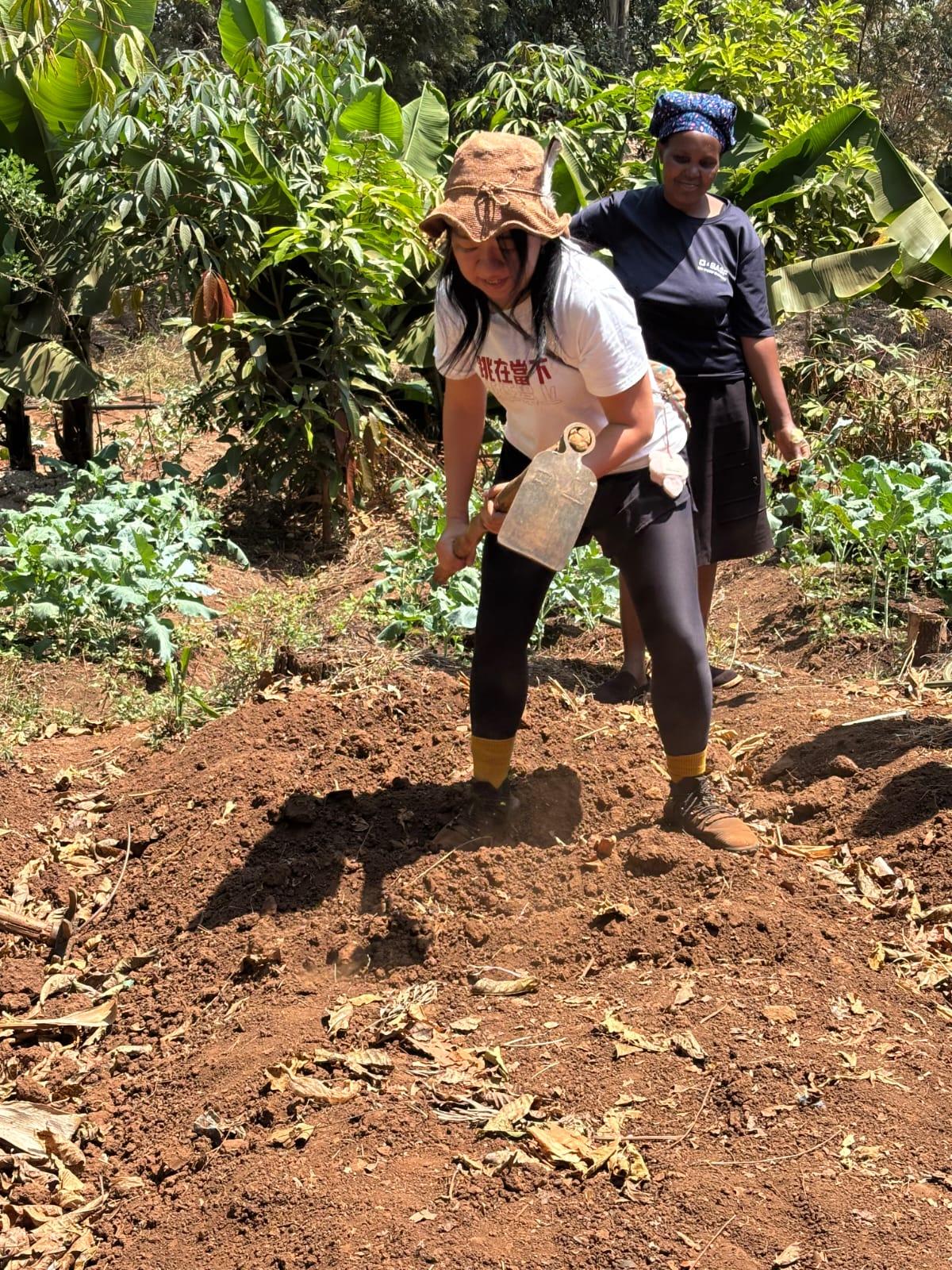
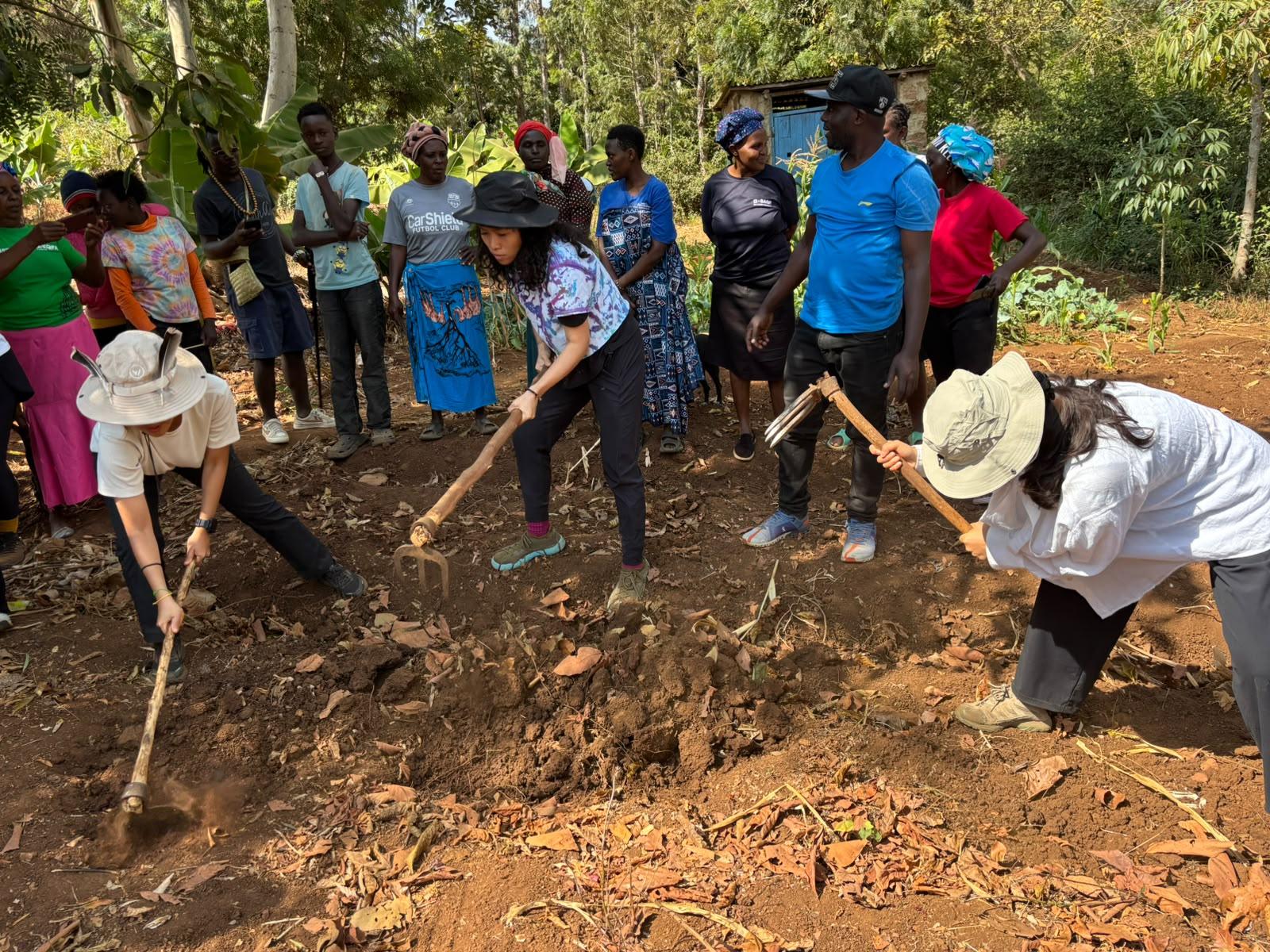
A tree planting day, an art or tailoring lesson, a sustainable farming session, or a school water tank installation.
What the activity produces
How many people took part, how many sessions ran, or what tools and learning materials were shared, counted only from verified records.
What changes for people
A practical skill used for income, a more reliable harvest, cleaner water at school, or stronger women and youth groups.
Lasting change over years
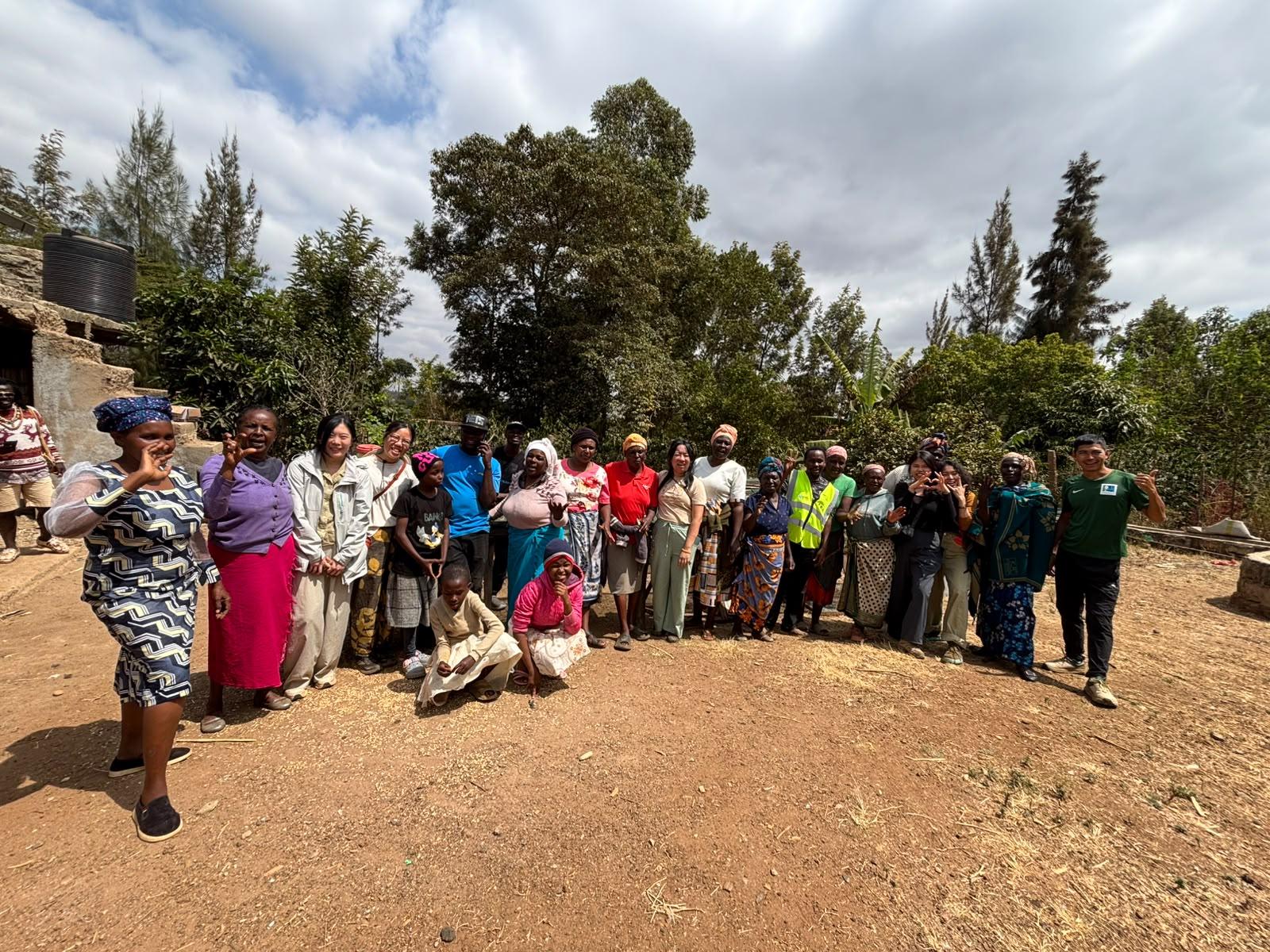
More resilient, self reliant households and healthier neighbourhoods, something we work towards steadily and never claim prematurely.
How we plan and design projects
We identify, design and carry out projects according to the priorities of the communities we serve. Before any initiative begins on the ground, we work with community members and partners to set out ten essential building blocks:
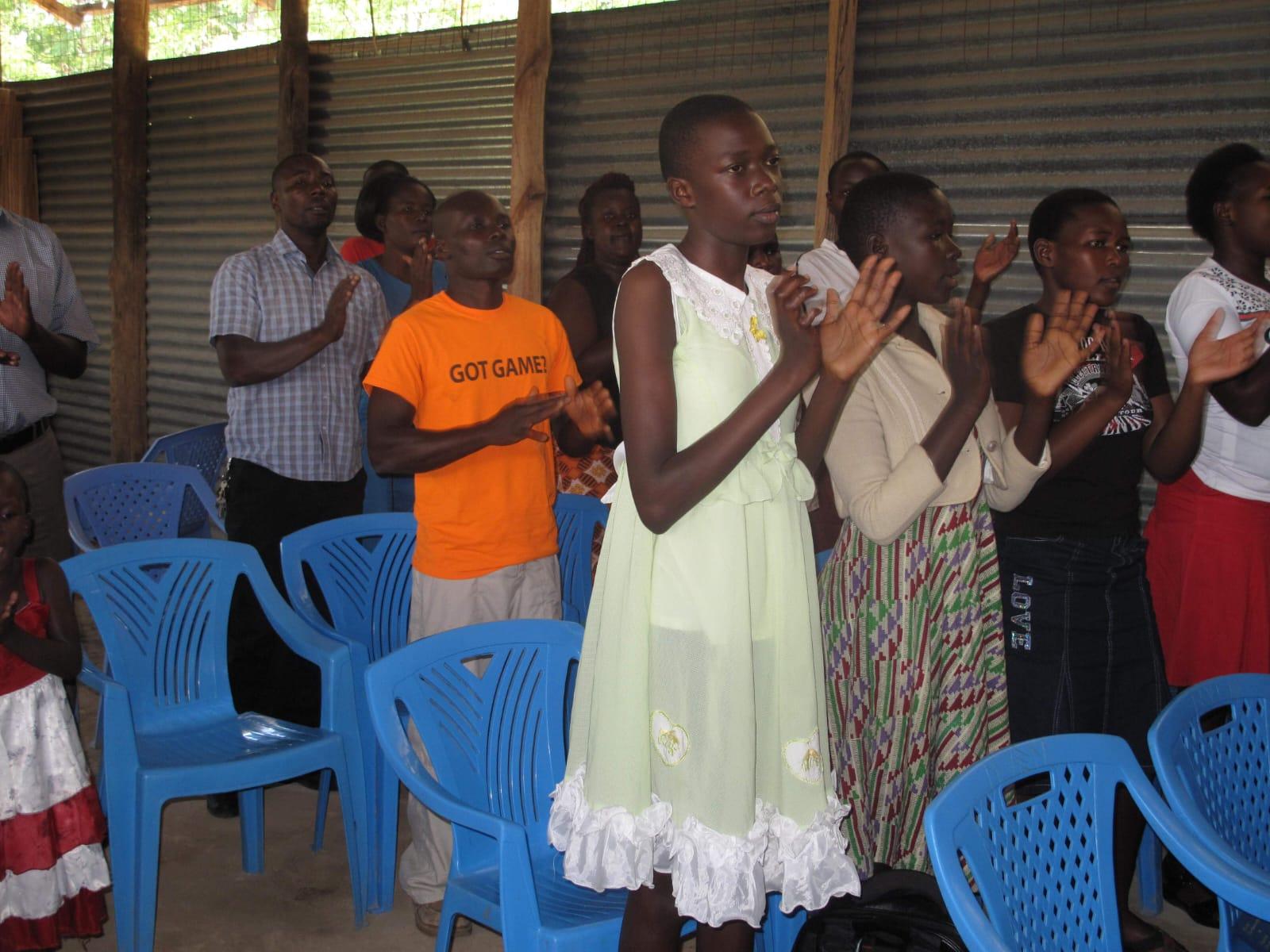
Community consultation circles bring together neighbours, elders and project leads to agree on priorities before work commences.
Good project design begins with attentive listening. We never impose external blueprints, choosing instead to agree on practical schedules, transparent budgets and local leadership roles with resident families.
Local ownership is not added at the end of a project. It is established during the very first conversation when community priorities are mapped out.
Project title and location
Clear grounding in the specific neighbourhood, school or county.
Background and problem statement
An honest picture of the local challenge and why it matters to residents.
Project goal and specific objectives
Plain statements of what the project aims to achieve.
Participating community members
Who takes part, including children, young people, women groups or vulnerable households.
Planned activities and schedule
A realistic step by step timetable agreed with the host group.
Detailed budget and funding sources
Transparent costings showing what resources are needed and where they come from.
Expected outputs and outcomes
Clear targets separating immediate deliverables from longer term changes.
Monitoring and evaluation indicators
How progress and quality will be checked along the way.
Sustainability and handover strategy
How the project will keep running after the initial funding period ends.
Financial accountability and reporting
Agreed procedures for bookkeeping, receipts and partner reporting.
Monitoring, evaluation and financial openness
We monitor our programmes to check progress, understand what is working, and spot where we need to improve. We strive to maintain transparent financial records and provide accurate, timely reports to community groups, volunteers, partners and donors.
Infrastructure and WASH Facility Checks
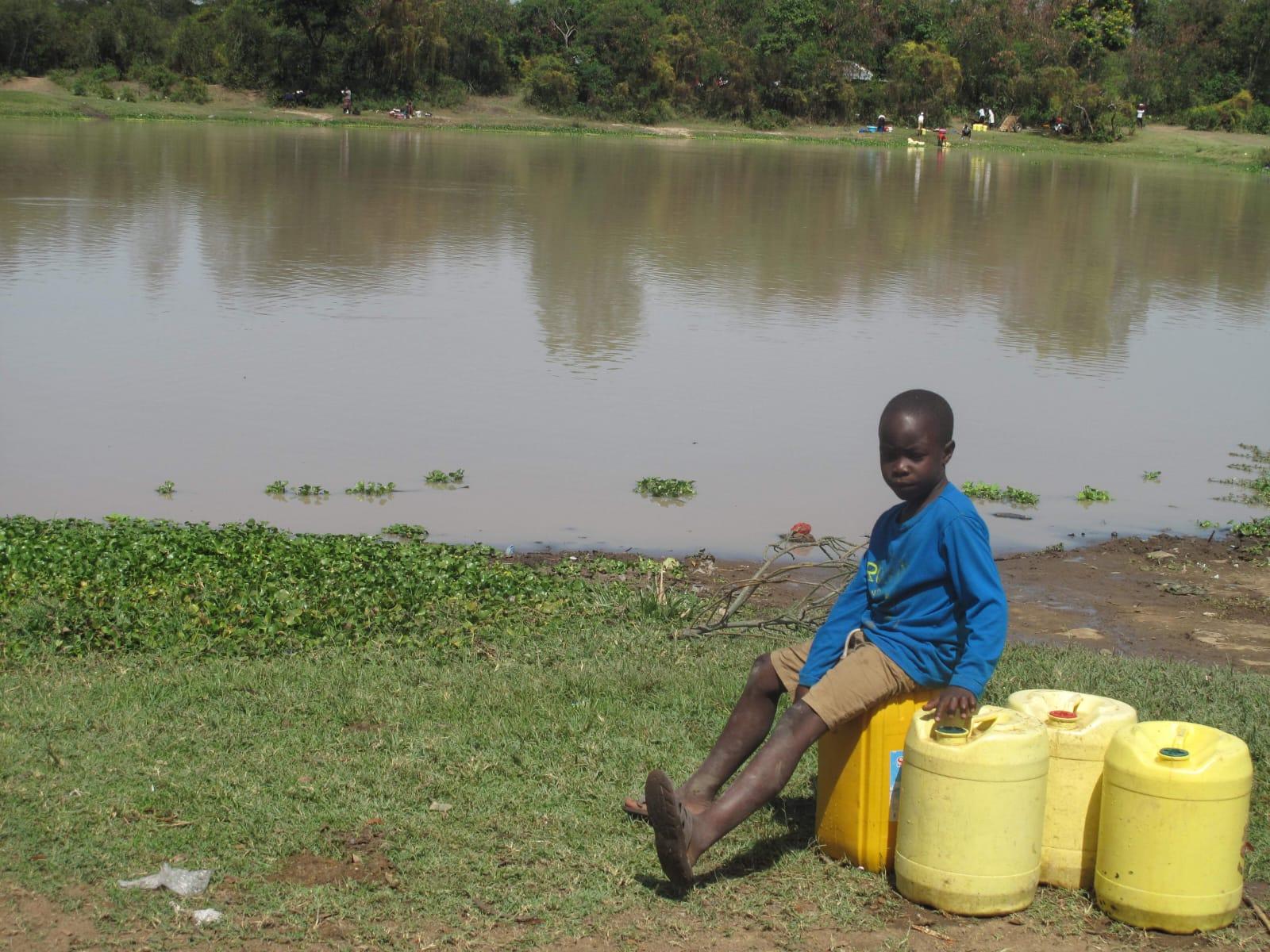
Inspectors and community volunteers verify school rainwater storage tanks, hand washing stations and local pipeline connections directly on the ground.
Direct Community Dialogue & Reviews
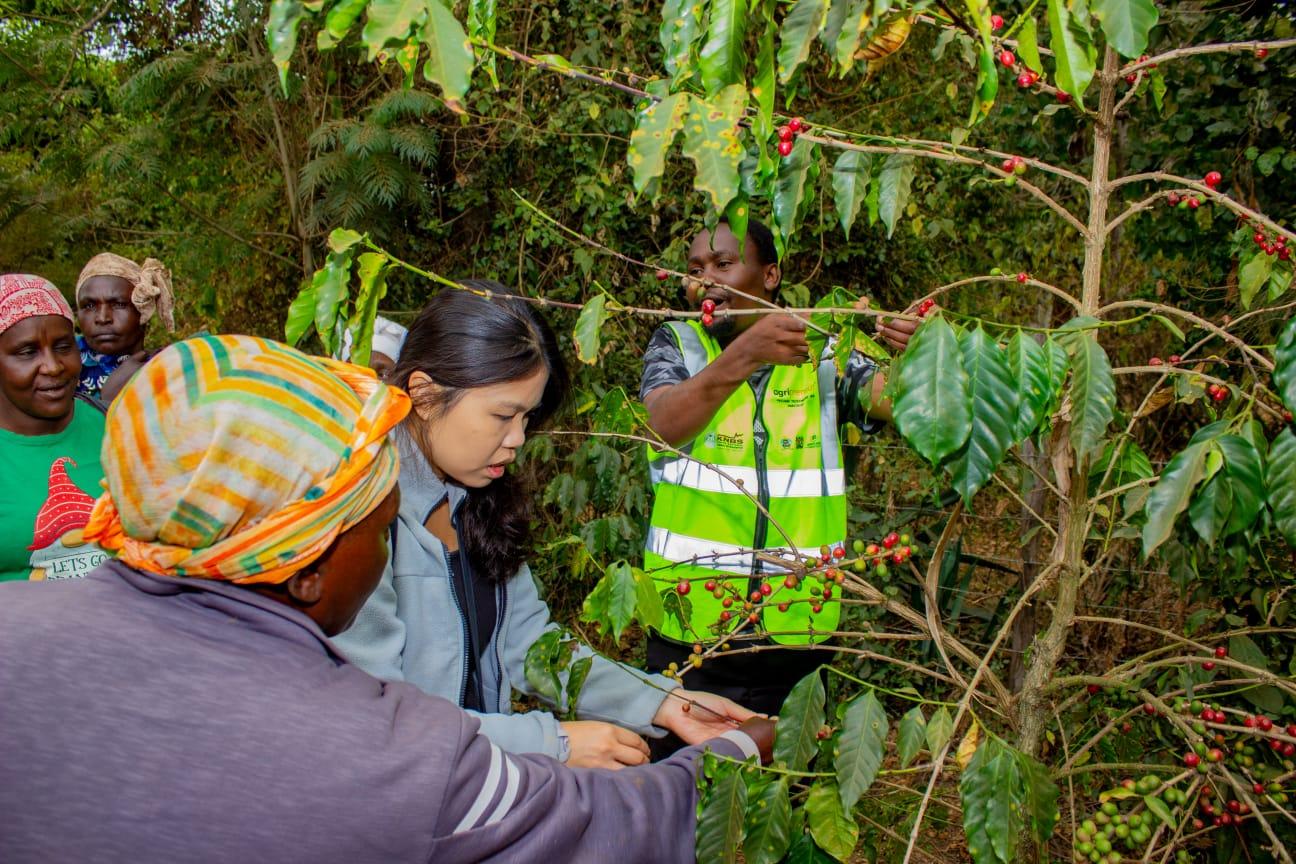
Meeting consistently with women and youth committees to review activity logs, discuss budget allocations and adjust methods based on local lived experience.
Participant & Attendance Records
Keeping accurate registration and attendance logs for workshops, school support and training sessions.
Project Activity Reports
Documenting what took place during each field session, work camp or community outreach day.
Financial & Expenditure Reports
Tracking how project funds and material donations are spent against the agreed budget.
Site Visits & Community Feedback
Visiting projects regularly and listening directly to community members about what is helpful and what needs adjusting.
Comparative Skill Assessments
Comparing conditions and skills before and after a project to understand real change.
Output & Outcome Tracking
Measuring practical deliverables alongside longer term household and community improvements.
Periodic Partner Reviews
Holding open review sessions with local women groups, youth leaders and partner organisations.
How we build projects to last
Short term relief has its place, but our main goal is to help communities build projects that continue benefiting families long after a grant or work camp ends. Our sustainability approach rests on seven practical habits:
Handover to independent local management
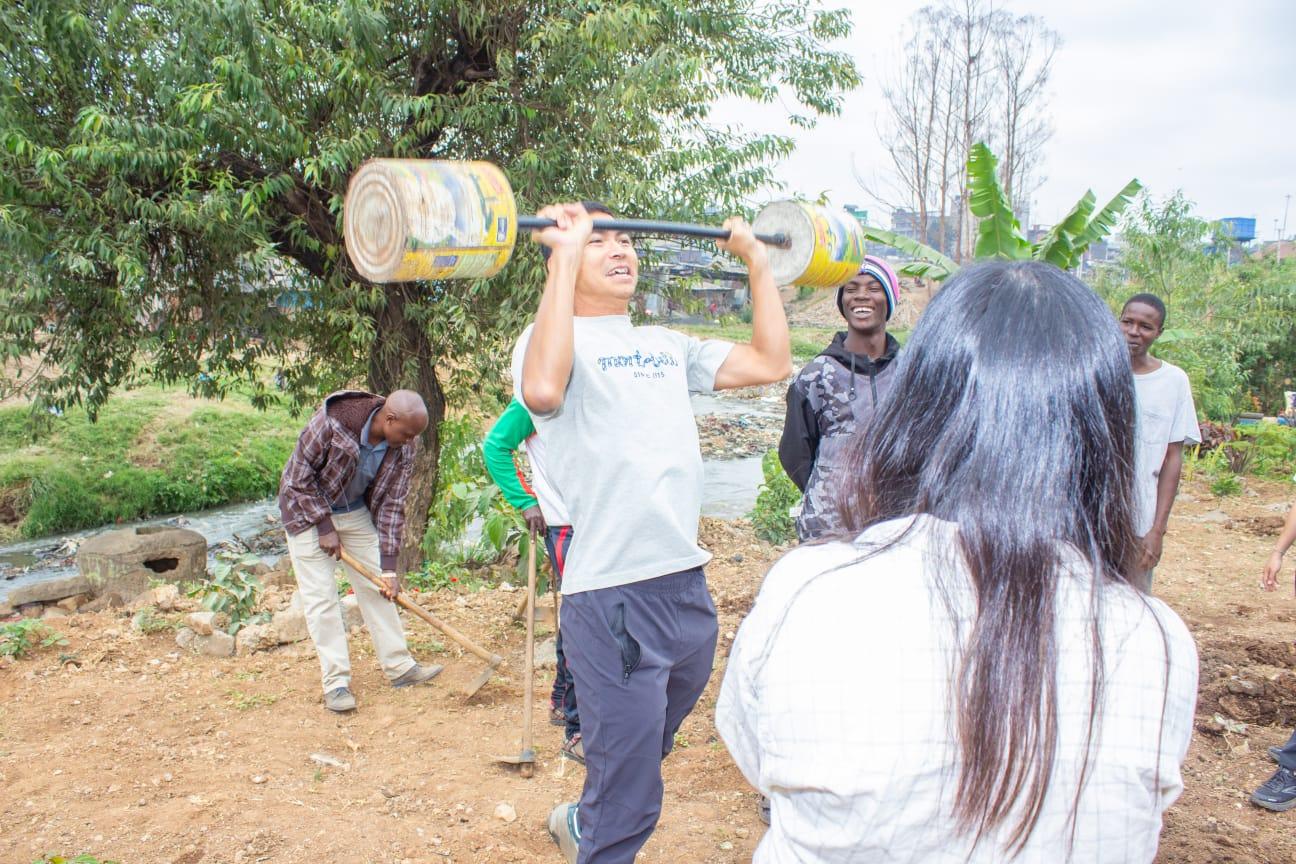
Real sustainability means transferring operational and financial ownership to local leadership. By training management committees and linking initiatives to practical income generating enterprises such as tailoring, poultry, vegetable nurseries and craft making, projects continue thriving long after external support concludes.
Independent local management
Training community members with the technical and practical skills to run projects themselves.
Community ownership committees
Supporting local management committees so decisions stay in the neighbourhood.
Income generating activities
Linking projects to small enterprises such as tailoring, poultry, vegetable sales or recycled crafts that help fund ongoing work.
Local resource mobilisation
Encouraging communities to pool local skills, land, tools and savings alongside external support.
Institutional partnerships
Connecting community groups with local schools, health providers and county extension services.
Follow up mentorship
Providing ongoing guidance and technical check ins rather than walking away when a project closes.
Environmental stewardship
Embedding water conservation, soil care, tree planting and waste reuse into every programme.
Verified evidence across our focus counties
Right now, the clearest evidence of our work is the day to day activity across our community programmes in Nairobi, Machakos and Makueni counties. Here is what documented action looks like in the field:
Primary Education & School Support
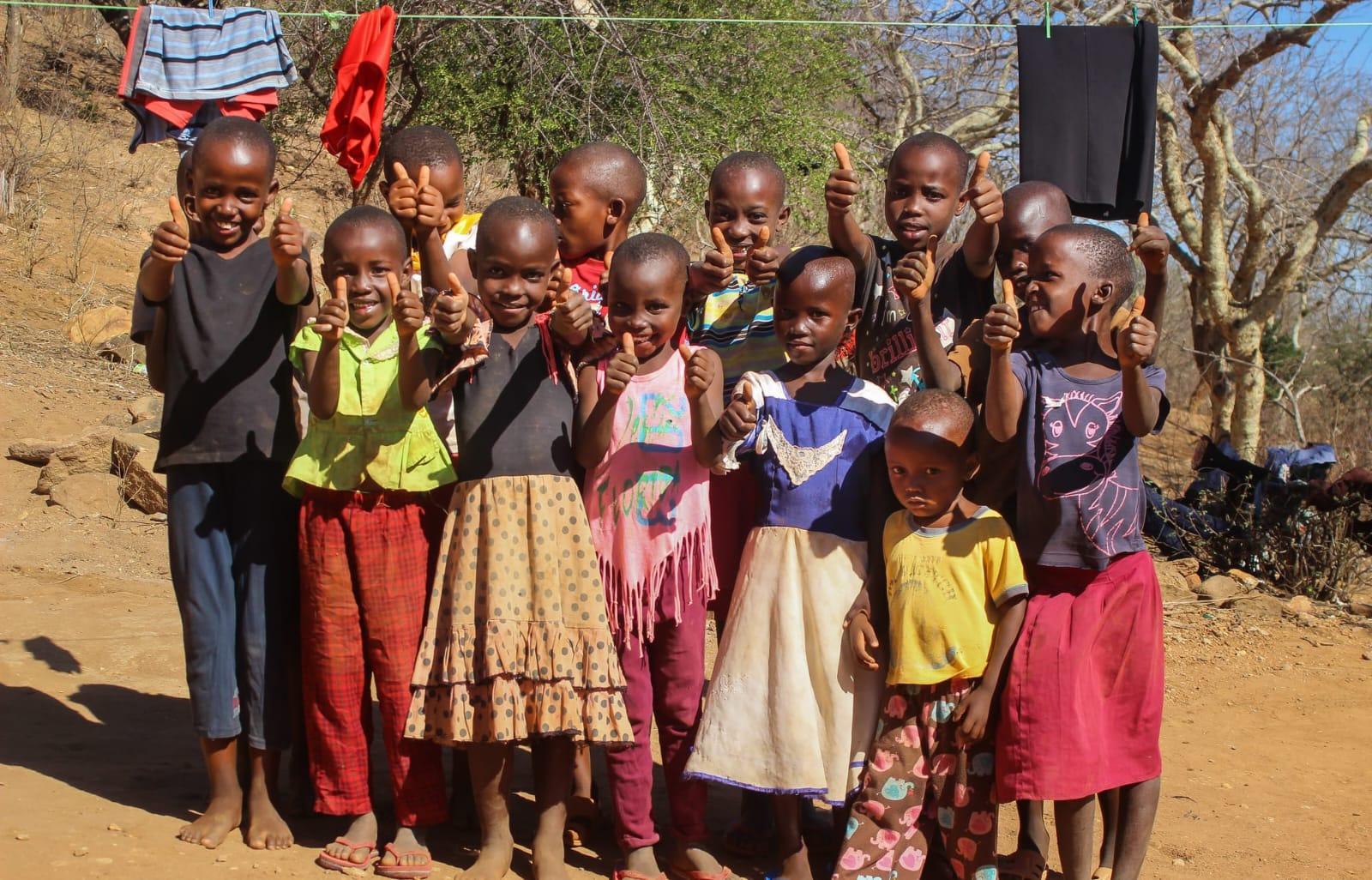
Partnering with Caso Upendo Primary School in Mathare, Nairobi to deliver computers, learning materials and school support alongside visiting teams from VTC Hong Kong.
Monitored through physical attendance logs, headteacher records and learning progress check ins.
Climate Resilient Kitchen Gardens
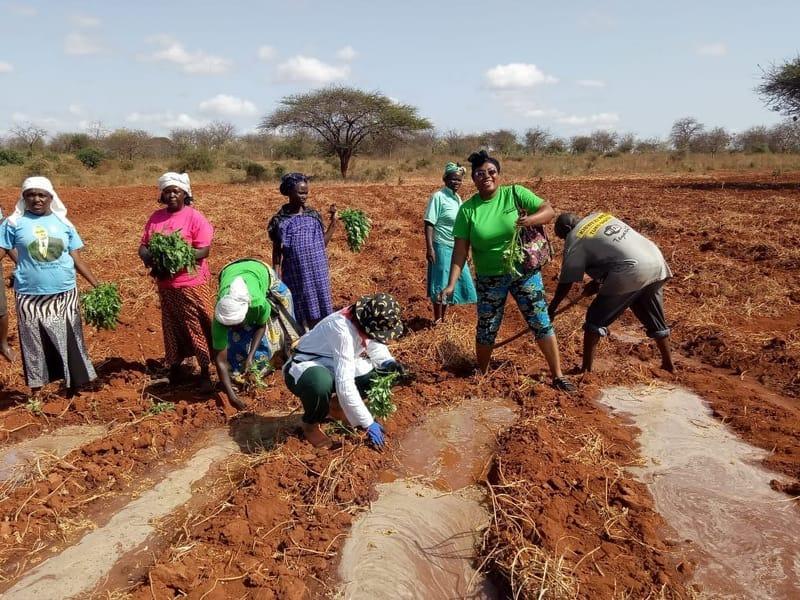
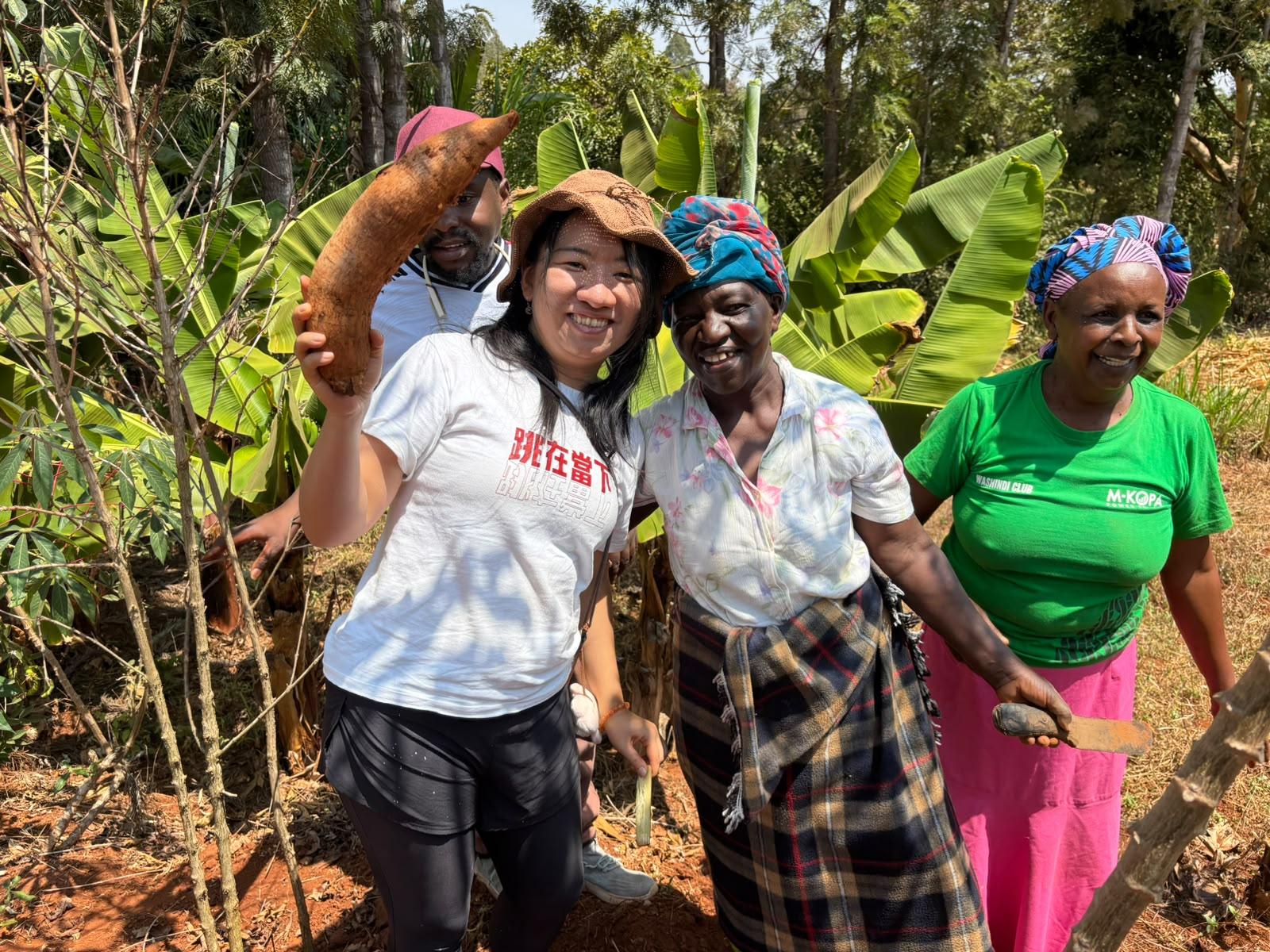
Equipping smallholder women farmers with drip bottle irrigation, compost timing methods and drought resilient vegetable varieties to ensure dependable food and market income.
Documented through weekly harvest logs and surplus produce sold in local rural markets.
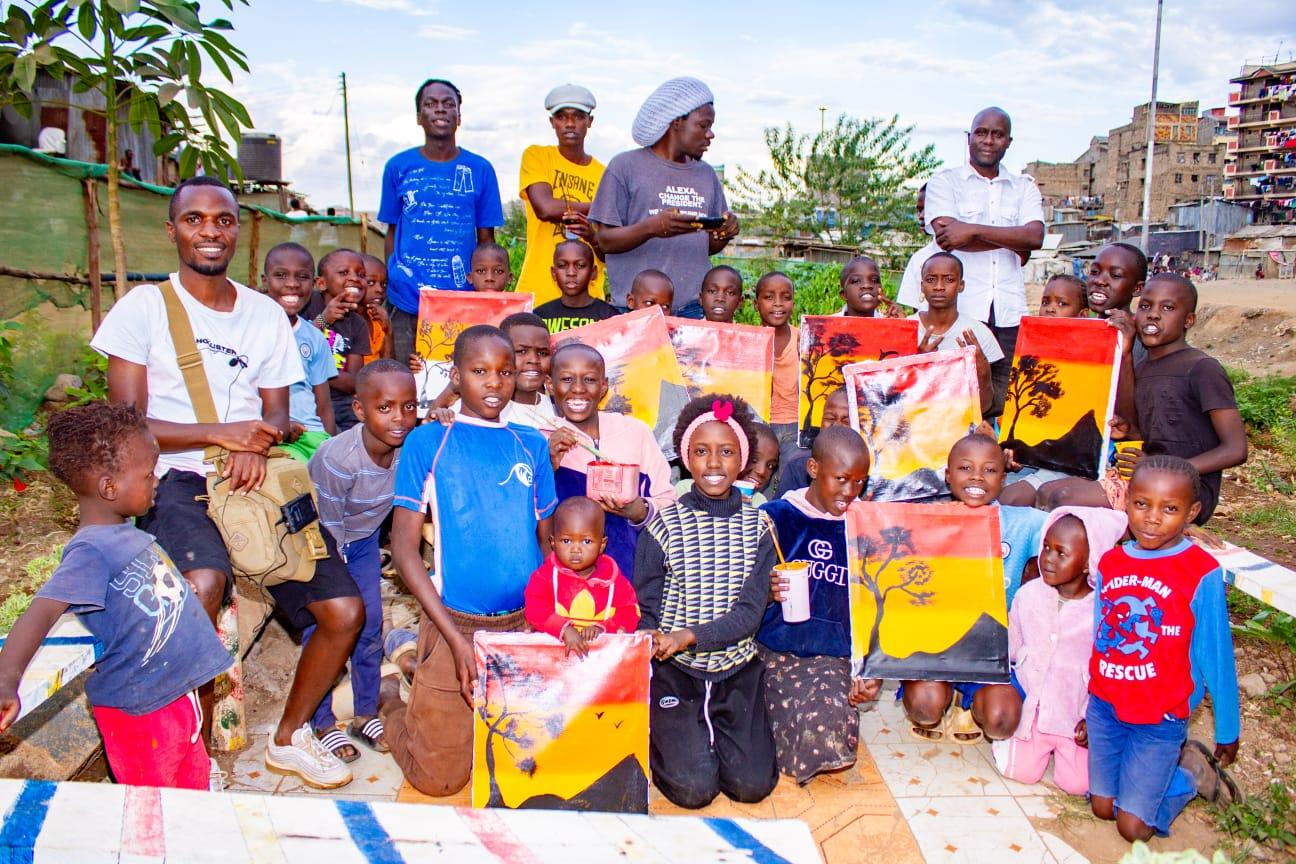
Youth Skills & Creative Mentorship
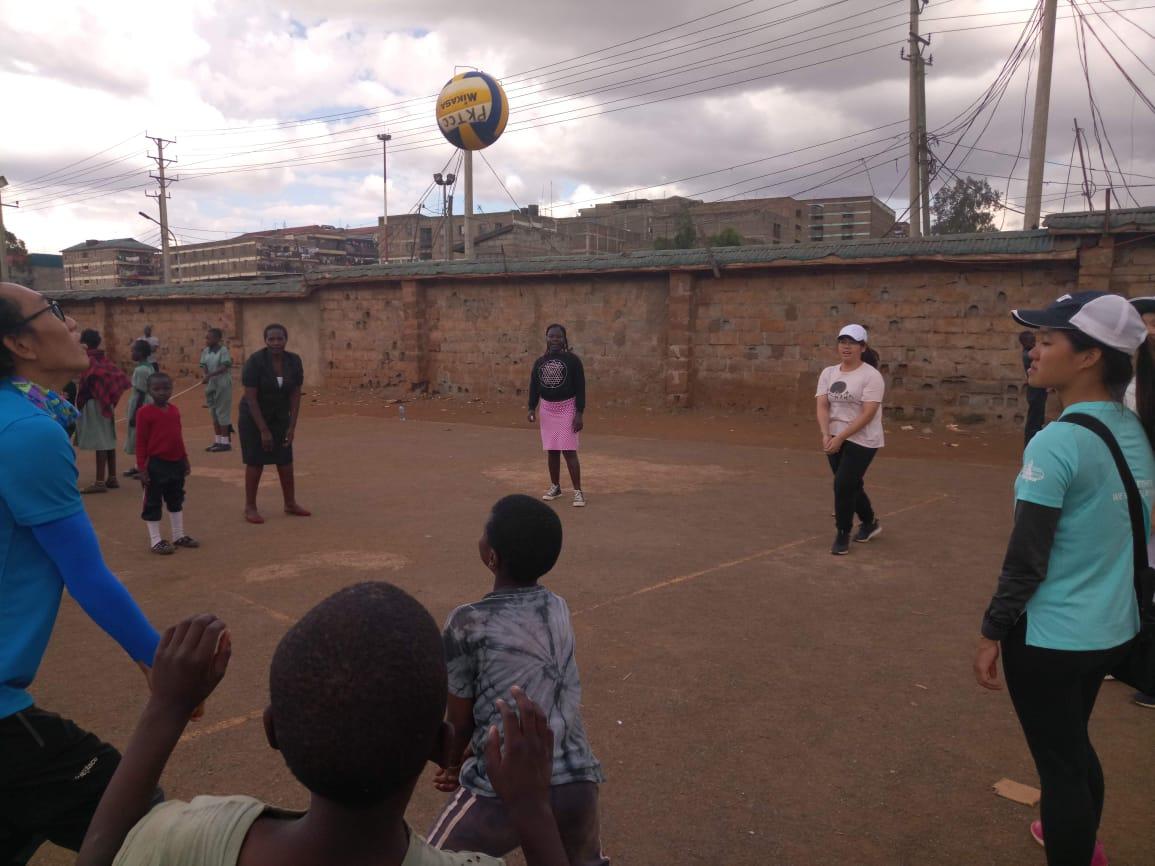
Working with the Miami Florida Youth Group on recycling, urban farming and training, and the Young Mothers Women Group on tailoring in Mathare, Nairobi.
Verified through workshop sign in sheets, finished craft products and peer mentor logs.
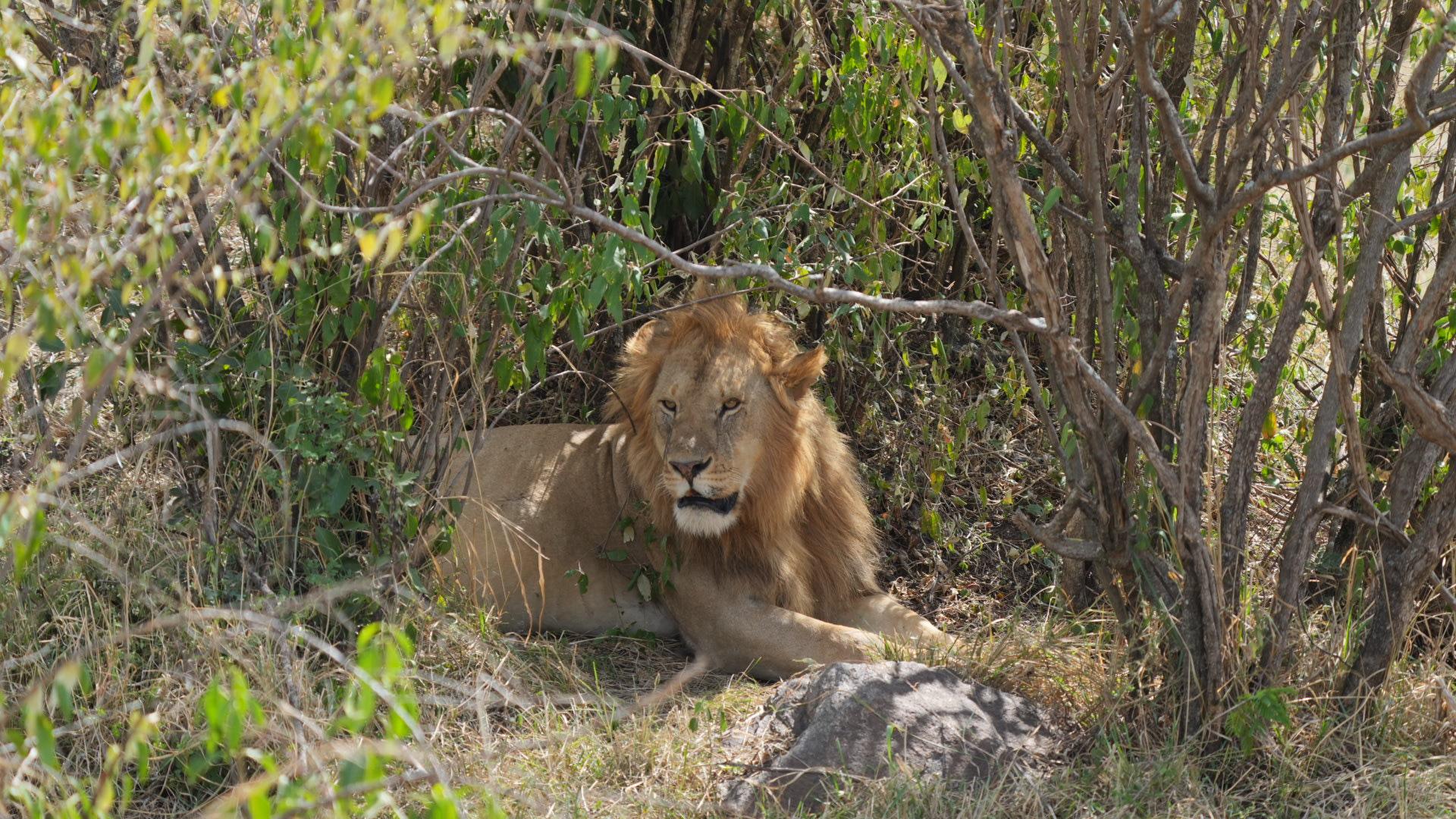
Community Conservation & Water Access
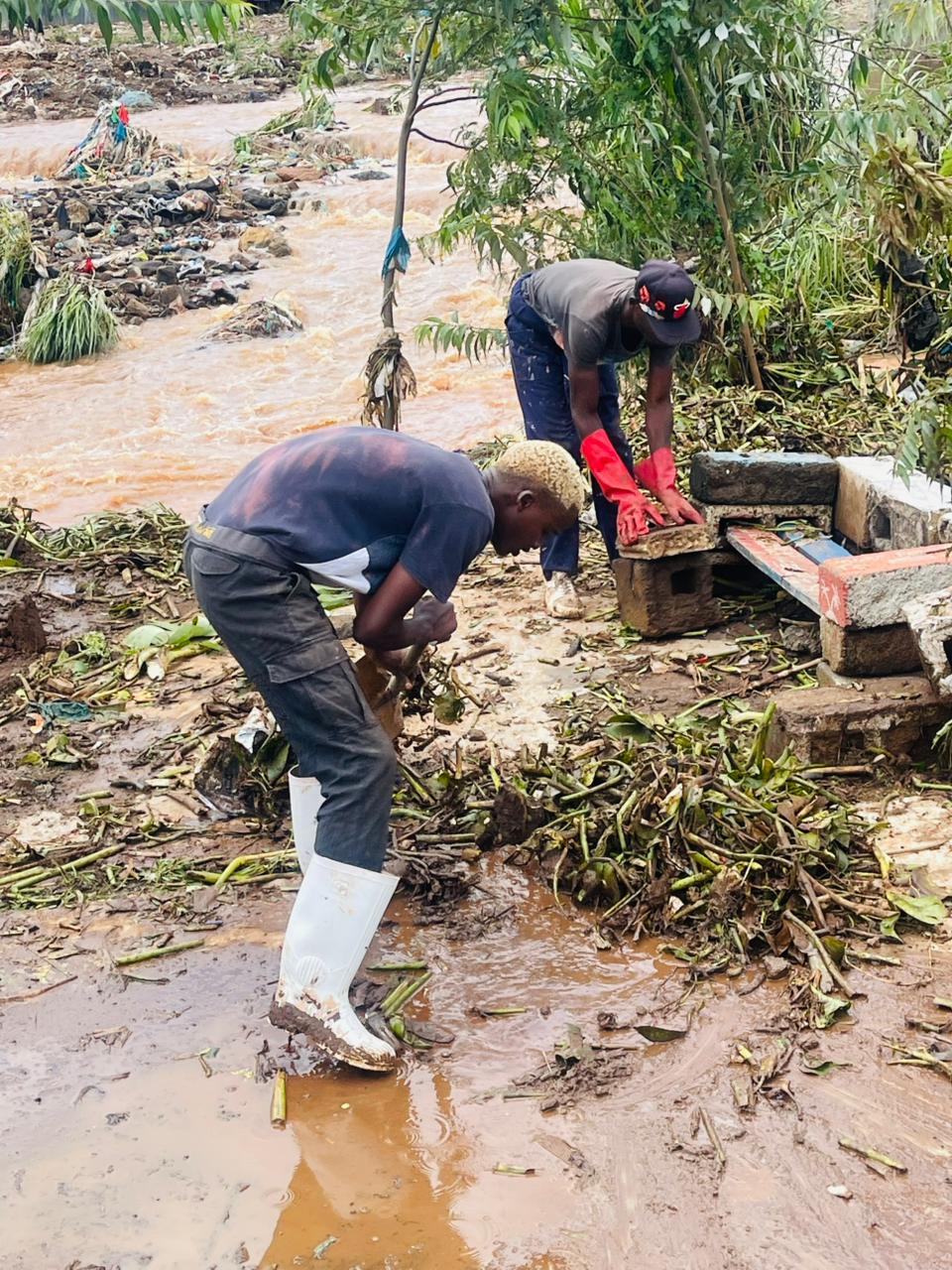
Mobilising youth and volunteers to nurture indigenous tree nurseries, protect wildlife corridors and install school rainwater storage tanks for clean drinking water.
Tracked through seedling survival counts, rainfall harvest logs and conservation patrol records.
Verified dossiers in progress
We are actively gathering and verifying historical attendance records, project outputs and participant reflections so that every future evaluation report published on this page has a clear date, verified source and informed consent. When full audit dossiers are ready for public download, they will appear here.
In the meantime, you are welcome to inspect our work across 12 distinct programme pillars or browse over 300 authentic field photographs documenting our daily partnerships in Kenya.
Help us build stronger, self reliant communities
We are committed to working alongside children, young people, women and families to build practical, lasting responses to poverty, educational barriers, food insecurity and environmental challenges. If you would like to support a project or ask how we measure our work, we would be glad to talk.