
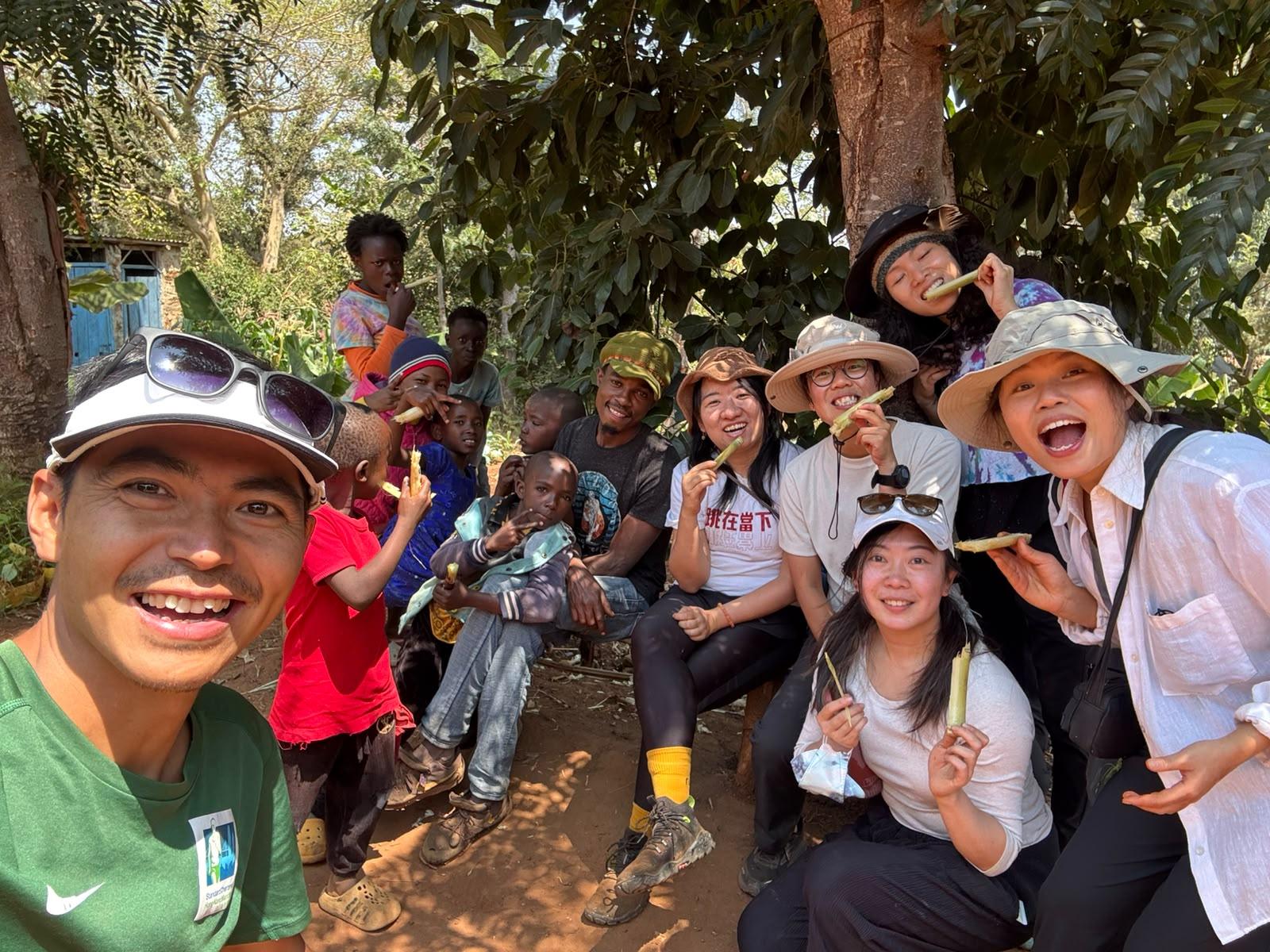
Volunteering abroad can be a generous, eye-opening experience for everyone involved. It can also go wrong: when volunteers arrive with their own idea of what a community needs, when children become photo opportunities, or when a short visit leaves a project with more work than it had before.
Whether you are thinking of volunteering with ABWA or with any other organisation in Kenya, here is what we think ethical volunteering should include.
1. Start with what the community wants
The best volunteering responds to priorities set by the community, not by the visitor. A good host organisation can tell you who asked for the project, who leads it and how decisions are made. Be cautious about any project where volunteers are the main decision-makers.
2. Prepare, and arrive with humility
Read about Kenya before you go, and about the particular place you will be staying. Learn a few words of Swahili or the local language. Expect to do things differently, and expect that local people may know better than you. Cultural humility means being willing to be corrected and treating the people you meet as experts in their own lives.
3. Offer useful skills, and be realistic
A fortnight will not transform a community, and a good project will not pretend it does. What a short stay can do is contribute to work that is already under way: extra hands on a farm, an assistant in a classroom, an art lesson, a shared planting day. Ask which skills are genuinely useful, and avoid taking on tasks that a local person could do and be paid to do.
4. Put safeguarding and consent first
Children are never an attraction. Ethical volunteering means:
- Child protection rules that are explained to you, and that you follow.
- No photos or videos of people, especially children, without clear permission.
- No time alone with children, and no giving money or gifts to individual children, which can cause harm and unfairness.
- Care on social media: nothing that identifies a child, a family or a home.
5. Think about what remains when you leave
Ask how the project will carry on after you have gone. Good projects build skills and relationships that last, and they do not depend on a constant stream of visitors to keep going.
6. Expect clear answers about money
Ask what any fee covers, what goes to the community or the host families, and where the rest goes. A good organisation will answer without defensiveness and will put costs in writing before you commit. The same goes for donations.
What a good day can look like
A good volunteer day is often unglamorous. You might spend a morning weeding beside a farmer, an afternoon helping with an art lesson, and an evening cooking and talking with your host family. You will probably be tired, make a few mistakes and learn a few words. You will not 'fix' anything. But you can help, you can listen, and you can leave having built a respectful relationship that matters to both sides.
Red flags to watch for
None of these automatically means a project is bad, but each one is a reason to ask more questions.
- Promises of changing lives or solving a problem in a couple of weeks.
- Pressure to take photos with children, or to visit children's homes as an attraction.
- No clear answers about who runs the project, or where fees go.
- No child protection policy, or no checks on people who work with children.
- Work that replaces local workers, such as building that local builders could be paid to do.
- Vague or changing details about costs, accommodation and safety.
Eight questions to ask any organisation
Before committing time or money to any volunteering programme, ask these eight essential questions:
- Who asked for this project, and who leads it?
- What will I actually do each day?
- Are my skills useful here, or would a local person do this better?
- What are your child protection and photography rules?
- What exactly do I pay for, and where does the money go?
- Who will look after me, and what happens if something goes wrong?
- How does the project continue after I leave?
- Can I speak to a past volunteer or a community member?
How ABWA approaches this
ABWA's information sheets for its work camps describe volunteers working alongside community groups, living simply with host families or in shared accommodation, cooking together and taking part in cultural exchange. They also set out ground rules for volunteers.
We are still updating this website, and we do not currently promise any particular programme, date, place or price here. If you send us an enquiry, we will tell you honestly what is available and confirm the details in writing before you commit to anything. And we would like you to hold us to the standards in this article.
After you return home
Ethical volunteering does not end at the airport. You can keep in touch with the people you met, share what you learned with care for their dignity and privacy, support the organisation in the ways it asks for, and encourage friends to ask the same questions you did.
Ready to ask?
If you would like to talk about volunteering with ABWA, you can send us a short enquiry. There is no pressure, and no obligation.
Where to learn more
Continue exploring our work or get in touch directly with our team in Nairobi.