
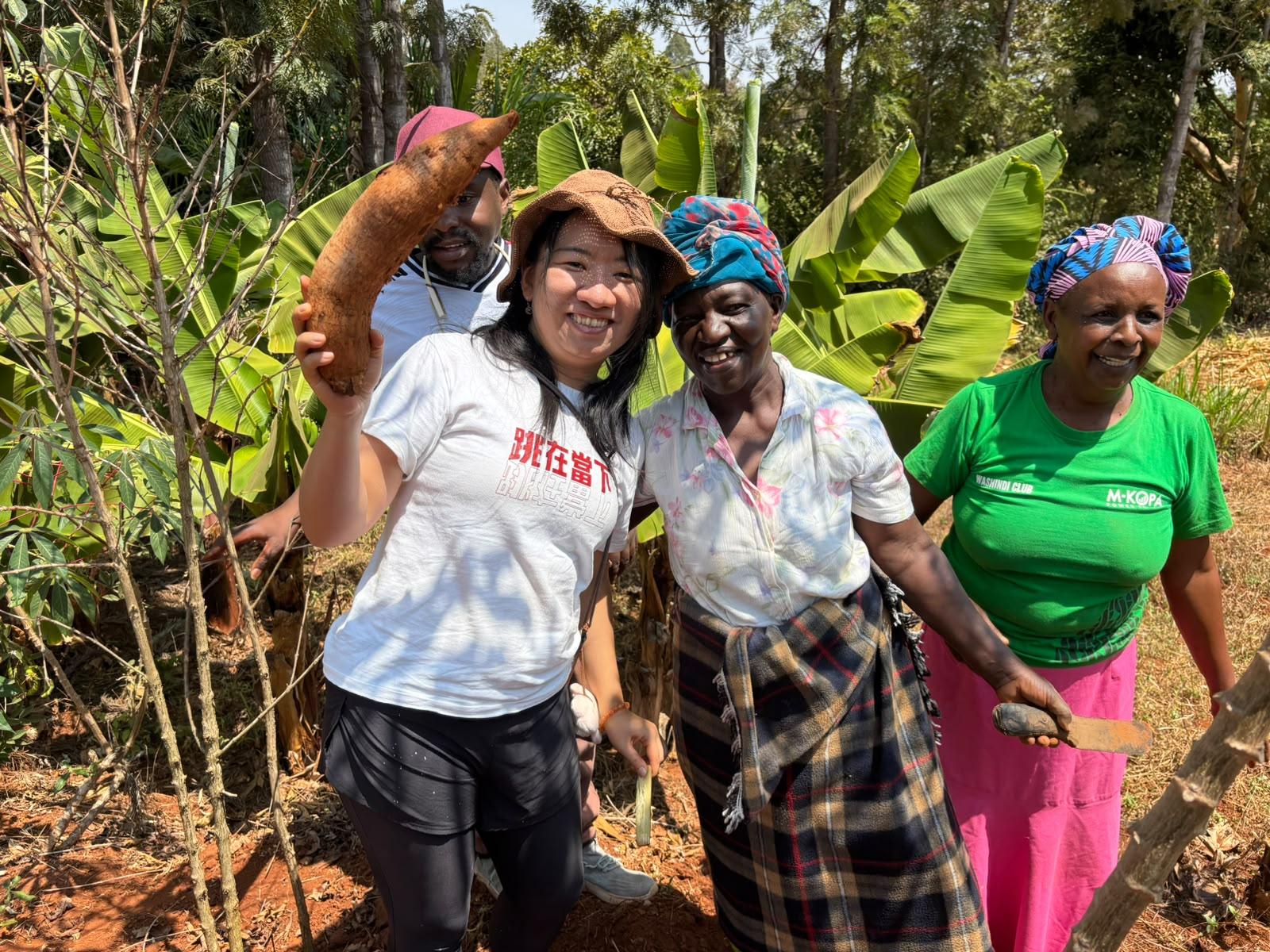
Ask a farmer what makes a good season and you will rarely get a single answer. Rain matters. So do seeds, soil, timing, pests, market prices and the hours a family has to spare.
For many households in Kenya, farming is not just an occupation. It is how the family eats, and often how school fees get paid. That is why we think about sustainable agriculture as a community topic, not only a technical one. When farming becomes more reliable and gentler on the land, whole households feel the difference.
Why food security starts at home
Food security means that a household can reliably get enough nutritious food. For smallholder farmers, who work small plots and often depend on rain, that can be fragile. A late rainy season, a pest outbreak or a fall in market prices can turn a good plan into a hard year.
Many smallholders also have limited access to up-to-date information and tools, which can mean lower yields and unpredictable income. Closing that gap rarely needs anything dramatic. It often begins with shared knowledge and a few well-chosen practices.
Five practical principles of sustainable farming
Sustainable farming is not one technique. It is a way of working that keeps the land, the water and the community healthy for the next season and the one after. These five ideas come up again and again.
- 1. Choose crops that suit the place. Varieties matched to your local climate and rainfall usually cope better than those that need ideal conditions. Growing several different vegetables instead of one also spreads the risk if one crop fails.
- 2. Look after the soil. Healthy soil holds water and feeds plants. Preparing the land well, adding manure or compost at the right time, covering the ground with mulch and rotating crops all help keep soil fertile without wearing it out.
- 3. Use water wisely. Where water is limited, every drop counts. Watering at cooler times of day, directing water to the roots, and making good use of nearby sources such as rivers or collected rainwater can stretch a supply further.
- 4. Manage pests with care. Integrated pest management starts with watching your crops closely and preventing problems early, for example through healthy soil and a variety of crops. Stronger controls come in only when they are needed, with attention to the wider environment. Using less, and using it carefully, protects people, pollinators and water.
- 5. Grow for the table and the market. A kitchen garden can bring fresh vegetables and better nutrition to a household every day. Any surplus can be sold, and learning what buyers want helps farmers decide what to plant.
What women's farming groups bring
In many communities, women play a central part in producing food and in feeding the household. When women farm in groups, they can share labour, seeds and know-how, and they can speak with a stronger voice about markets, money and land.
ABWA's work-camp plans with women's groups in Kangundo and Kibwezi centre on exactly this kind of shared learning. The themes include choosing vegetables that suit local conditions, preparing land, timing manure and fertiliser, managing pests and watering well. They sit alongside conversations about leadership, financial decisions and having a say in your own life.
These are our planned learning themes. We do not claim any particular yield or income result from them.
Adapting to changing seasons
In many places, seasons are becoming harder to predict. That makes flexibility more valuable: a mix of crops, soil that holds water, careful use of local water sources, and a habit of learning from neighbours who have tried something new. Farmers have always adapted. Sharing what works, and what does not, makes that adapting faster and less risky.
Small spaces, big potential
You don't need a large field to grow food. In dense urban neighbourhoods, families can grow leafy vegetables in recycled plastic bottles and pipes beside a doorway or against a wall, using organic methods. ABWA's plans for its youth programme in Mathare include teaching this kind of kitchen gardening, because even a small harvest can add variety and freshness to a household's meals.
Questions to ask before the next planting season
Before turning the soil for the next rains, these practical questions help farmers reflect and prepare:
- What grew well last season, and why do I think that was?
- Which crops need less water, and could I grow more of them?
- When and how can I add compost or manure to my soil?
- How will I check my crops for pests, and what is the gentlest way to respond?
- Where will the harvest go: the family table, a neighbour, the market?
Honest limits
No technique works everywhere. Soil, rainfall, altitude and access to markets vary from one farm to the next, so advice always needs adapting to local conditions, and farmers' own experience should shape it.
This article is general information, not agronomic advice. We are a community organisation, not a team of agronomists. For advice about your own land, your county agricultural extension officer or a trusted local agricultural organisation is the best place to start.
Where to learn more
If you would like to know more about ABWA's work with women's farming groups, you can read about the programme or get in touch. If you are a farmer, agronomist or agricultural organisation who would like to share what you know, we would be glad to hear from you.
Where to learn more
Continue exploring our work or get in touch directly with our team in Nairobi.